


When someone in Liberty Village searches for “best coffee shop near me” or a homeowner in North York types “emergency plumber” into Google at 11 PM, your business either shows up—or it doesn’t. That’s the reality of local search in 2026, and it’s why partnering with a local seo company toronto businesses trust has become essential for survival in the GTA’s competitive market.
By choosing the best seo agency in Toronto, you ensure your business stays ahead of algorithm changes and industry trends, thanks to their expertise and commitment to ongoing learning. A local SEO company in Toronto specializes in getting your business visible exactly where it matters: Google Maps, the local pack, and location-based search results. Whether you’re running a restaurant on Queen Street West, a dental practice in Scarborough, or a roofing company serving Etobicoke, local SEO determines whether nearby customers find you or your competitors. This article breaks down what local SEO actually involves, the strategy and timeline you can expect, the platforms that matter, and what working with a Toronto-based local SEO partner looks like in practice.
What Is Local SEO and How It Differs From Regular SEO
Local SEO is a specialized branch of search engine optimization focused on improving your visibility in Google Maps and local search results for queries made by people in your geographic area. When a potential customer in Mississauga searches “accountant near me” or someone downtown types “Italian restaurant Financial District,” local SEO determines which businesses appear in the coveted Map Pack—those three business listings that show up at the top of Google with a map.
The difference between local SEO and traditional SEO comes down to intent and location:
Local search example: “dentist in Toronto” — The searcher wants to find and visit a dental office nearby
Traditional search example: “how to whiten teeth at home” — The searcher wants information, not a local business
Local SEO goal: Rank in Google Maps and the local pack for geo-modified and “near me” queries
Traditional SEO goal: Rank in organic results for informational or transactional queries regardless of location
The core differentiators of local SEO include:
NAP consistency — Your Name, Address, and Phone number must match exactly across your website, Google Business Profile, and every directory listing
Google Business Profile optimization — This is the primary tool Google uses to display your business in Maps and local search results
Local ranking factors — Google weighs proximity (how close you are to the searcher), prominence (reviews, citations, authority), and relevance (your categories and services match the query)
Local citations — Mentions of your business details on directories like Yelp, YellowPages.ca, and industry-specific platforms
Having an SEO friendly website platform and content structure is essential for maximizing your local search visibility, as it ensures your site is easily crawled and indexed by search engines for relevant local queries.
Local SEO serves both storefront businesses—think retail shops at CF Eaton Centre or restaurants along King Street—and service-area businesses like mobile mechanics, landscapers, and contractors who travel to clients across the GTA. The strategy differs slightly depending on whether you have a physical location customers visit or a service territory you cover, but the goal remains the same: show up when local customers are actively searching.
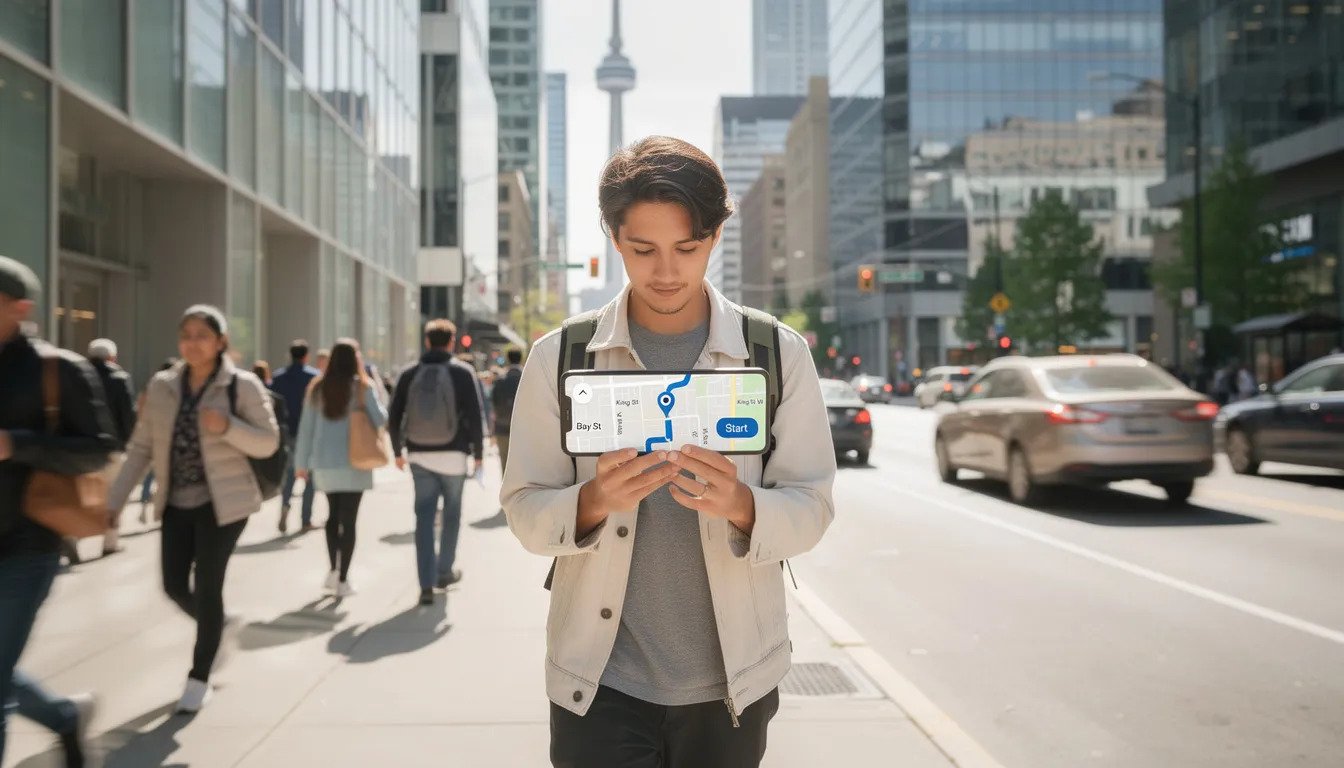
What an Effective Local SEO Strategy Looks Like in Toronto
Toronto’s market is fiercely competitive. Law firms downtown, real estate agents in Yorkville, home service contractors across the suburbs, and healthcare providers throughout the GTA are all vying for the same local search visibility. A one-time optimization won’t cut it. You need a structured, ongoing local SEO strategy that adapts to algorithm updates, competitor moves, and changes in search behaviour. For maximum impact, local SEO should be integrated into your overall marketing strategy, working alongside content marketing, social media, and other digital outreach efforts.
The core components of a strong local SEO strategy include:
Google Business Profile optimization — Complete and accurate listing with proper categories, service areas, photos, posts, and Q&A
Local keyword research — Identifying geo-modified terms and “near me” queries your target audience actually uses
On-page localization — Adding neighbourhood references, Toronto-specific content, local schema markup, and optimized meta tags
Citation building — Getting listed on Canadian and Toronto-specific directories with consistent NAP
Review acquisition and management — Systematically generating reviews and responding to them professionally
Local link building — Earning high quality backlinks from Toronto-based publications, organizations, and relevant local sources
Real keyword examples that Toronto businesses target include “local seo company toronto,” “Toronto personal injury lawyer,” “best sushi near Yonge and Bloor,” and “emergency HVAC repair North York.”
Your strategy must also account for Toronto-specific search behaviour. Mobile traffic dominates—people search while commuting on the TTC, walking through neighbourhoods, or sitting in traffic. Competition intensity varies dramatically between downtown core (extremely high) and suburban areas (more opportunity for niche services). And Google continuously updates how the Map Pack displays results, meaning your local seo strategies need ongoing refinement.
Core Elements of a Toronto-Focused Local SEO Campaign
Each element of a local SEO campaign plays a specific role in improving your visibility. Here’s a deeper look at what goes into a comprehensive Toronto-focused approach:
Local Keyword Research
Using keyword research tools to find geo-modified terms and “near me” queries specific to your industry and service areas. Examples include:
“SEO agency Toronto”
“accountant Leslieville”
“spa Yorkville”
“emergency plumber Scarborough 24 hour”
“wedding photographer Toronto”
The goal is mapping relevant keywords to specific pages on your site, ensuring each page targets terms your local customers actually search.
On-Page Local Optimization
Your web pages need clear signals that you serve Toronto customers:
City and neighbourhood mentions in content (naturally integrated, not stuffed)
Localized title tags and meta descriptions (e.g., “Family Dentist in North York | Dr. Smith Dental”)
Schema markup with your Toronto address, service area, and business details
Service area pages for each neighbourhood or region you serve
Mobile responsiveness for users searching on phones
Google Business Profile Optimization
Your GBP is often the first impression potential customers have of your business:
Categories tailored precisely to your industry (primary and secondary categories)
Service areas configured for the GTA neighbourhoods you actually serve
High-quality photos of your actual Toronto location—exterior, interior, team, products
Business hours set correctly to Eastern Time, including special holiday hours
Regular posts highlighting offers, events, and updates
Active Q&A section with helpful answers
Local Citations
Building and maintaining citations on Canadian and Toronto-specific directories:
YellowPages.ca
411.ca
Yelp Canada
Toronto.com
Industry-specific directories (RateMDs for healthcare, Houzz for contractors, etc.)
Online Reviews
Reviews impact both your search rankings and conversion rates:
Systematic review requests via email, SMS, or in-person prompts
Monitoring reviews across Google, Yelp, and industry platforms
Professional responses to both positive and negative feedback
Incorporating review content (with permission) into website testimonials
Local Content Marketing
Creating content that resonates with Toronto audiences:
Blog posts on Toronto events, local news relevant to your industry
Neighbourhood guides (e.g., “Guide to Finding a Family Doctor in Etobicoke”)
Seasonal content (winter home maintenance tips for Toronto homeowners)
Local case studies featuring Toronto clients
All of these core elements are included in tailored search engine optimization services designed to help Toronto businesses achieve higher visibility and growth.
How a Local SEO Company in Toronto Executes For Business Impact
Working with a local seo agency isn’t just about checking boxes—it’s about executing a coordinated campaign that drives real business growth. A reputable local SEO company often provides digital marketing services that complement SEO efforts to drive sales, leads, and online visibility. Here’s what a typical engagement looks like from discovery through ongoing optimization.
The process generally follows this structure:
Initial consultation to understand your business, locations, services, and goals
Comprehensive local SEO audit examining your current rankings, GBP status, citations, website, and competitors
Strategy development with specific recommendations and a prioritized roadmap
Implementation of on-page, off-page, and technical optimizations
Ongoing management including review campaigns, content updates, and citation maintenance
Monthly reporting with transparent metrics on what’s working and what’s next
During the audit phase, the seo company examines:
Current rankings for target local keywords in Toronto
Google Business Profile completeness and accuracy
NAP consistency across all existing citations
On-site local SEO elements (schema, meta tags, content)
Competitor analysis—who’s currently dominating the Map Pack in your market
From this audit, the team identifies “quick win” opportunities: optimizing a neglected GBP, fixing duplicate or inconsistent citations, updating address information after a business move, or adding missing categories. These changes can sometimes produce visible improvements within weeks.
The engagement then moves into building a custom roadmap with clear milestones—typically at 3, 6, and 12 months—for improved visibility across Toronto and the broader GTA. Collaboration is key: you’ll work together on gathering photos, coordinating review request campaigns, and potentially creating in-store signage that encourages customers to leave feedback.
Step-by-Step Local SEO Process We Follow
A structured, repeatable process ensures nothing falls through the cracks. Here’s the framework:
1. Discovery & Goals
Gather information on locations (single storefront vs. multi-location across GTA)
Identify target neighbourhoods and service areas
Clarify main services and which drive the most revenue
Establish baseline metrics and define success (calls, direction requests, form submissions)
2. Local SEO Audit
Review Google Search Console and Google Analytics data for local traffic patterns
Analyze GBP Insights for current calls, clicks, and direction requests
Audit citations using specialized tools to identify inconsistencies and duplicates
Assess on-site local optimization (title tags, schema, content)
Benchmark against top-ranking competitors in your Toronto market
3. Strategy & Keyword Mapping
Map target keywords like “emergency plumber Toronto 24/7” or “wedding photographer Toronto” to specific pages
Identify gaps where new local landing pages are needed
Prioritize actions based on potential impact and effort required
Create content calendar for local blog posts and GBP updates
4. Implementation
Execute technical SEO fixes (site speed, mobile optimization, schema markup)
Optimize GBP with complete information, photos, and proper categories
Build or correct citations on priority directories
Add or update local content sections on the website
Create or optimize service area pages for target neighbourhoods
5. Review Management
Set up email and SMS follow-up sequences requesting reviews
Create in-store or in-office prompts (cards, QR codes, staff scripts)
Establish guidelines for responding to reviews—both positive feedback and complaints
Monitor review velocity and sentiment monthly
6. Reporting & Optimization
Monthly reports include updates on keyword rankings to track progress and inform strategy adjustments, along with Map Pack rankings for target keywords
Organic traffic from Toronto and GTA specifically
Call tracking data where implemented
GBP actions: calls, direction requests, website clicks
Recommendations for next month based on data
Timeline: How Long to Rank in the Toronto Google Map Pack?
One of the most common questions from business owners is “how long until I see results?” The honest answer: it depends on your industry, current online presence, and the competitiveness of your specific Toronto market.
Here are realistic timeframes based on different scenarios:
Situation | Expected Timeline | Example |
|---|---|---|
Low-competition niche in suburban area | 30–90 days | Specialty pet groomer in Scarborough |
Moderate competition, established business | 3–6 months | Physiotherapy clinic in Etobicoke |
High competition downtown | 6–12 months | Personal injury lawyer in Financial District |
New business, new domain | 6–12+ months | Restaurant opening in 2024 with no prior web presence |
Factors that speed up results:
Existing strong domain with some authority
Accurate, consistent NAP already in place
Established brand recognition in Toronto
Existing positive reviews on Google
No penalties or major technical issues on website
Previous SEO efforts to build upon
Factors that slow results:
Brand-new domain launched recently
Recent address changes requiring citation updates across dozens of sites
Many strong competitors within blocks of your location
Inconsistent or duplicate citations creating confusion
Previous penalties or spammy link building to clean up
Limited existing reviews or negative review sentiment
One critical point: Map Pack rankings are not static. Even after you achieve strong local rankings, maintaining those positions requires ongoing work. Competitors don’t stop optimizing, Google updates its algorithms regularly, and customer review velocity matters. This is particularly true in central Toronto where dozens of businesses compete for the same three Map Pack spots.
Platforms We Optimise for Local SEO in Toronto
While Google dominates search in Canada, a comprehensive local SEO campaign extends beyond Google alone. Toronto customers use multiple platforms to research businesses before visiting or calling.
Google Search and Google Maps (Primary Focus)
Google Business Profile optimization is the foundation
Categories, service areas, photos, hours, posts, and Q&A
Regular updates and monitoring of GBP Insights
Primary platform where 93% of local searches drive business discovery
Bing Places for Business
Often overlooked but used by corporate environments and older demographics
Lower competition means easier visibility gains
Integrates with Microsoft ecosystem (Cortana, Windows search)
Key Directories and Citation Sources
Yelp Canada — High domain authority, trusted by consumers for reviews
YellowPages.ca — Canadian business directory with strong local signals
411.ca — Canadian directory commonly used for business lookup
Facebook Business Pages — Social signals plus customer reviews and check-ins. Integrating social media platforms with your website increases online visibility, builds brand awareness, and drives more traffic as part of a comprehensive SEO approach.
Apple Maps — Growing usage among iPhone users in Toronto
Industry-specific platforms — RateMDs for healthcare providers, Houzz for home contractors, TripAdvisor for hospitality
Why Platform Consistency Matters
Consistent NAP, categories, and descriptions across all platforms reinforce local trust signals to search engines. When Google sees matching information across dozens of trusted sources, it gains confidence that your business details are accurate—and rewards you with better local rankings.
Why NAP Consistency and Citations Matter
NAP stands for Name, Address, and Phone Number. These three data points must match exactly across your website, Google Business Profile, and every directory listing—down to the format of your address and whether you include “Inc.” after your business name.
Here’s a concrete example of what inconsistency looks like:
Platform | Business Name | Address | Phone |
|---|---|---|---|
Website | Toronto Style Salon | 245 Queen St W, Toronto | (416) 555-1234 |
Google Business Profile | Toronto Style Salon Inc. | 245 Queen Street West, Toronto, ON | 416-555-1234 |
Yelp | Toronto Style | 245 Queen St. West, Toronto | (416) 555-1234 |
This inconsistency—while seemingly minor—creates confusion for search engines. Is this one business or three? Google may not confidently associate citations and reviews with the correct entity, potentially hurting your local rankings.
Common scenarios that create NAP problems:
Business moves from Queen St West to Dundas St West but old citations still show the former address
Phone number changes but dozens of directory listings retain the old number
Business name legally changes but outdated listings persist
Multiple staff members created profiles with slightly different formatting
Citations Are More Than Links
Citations are mentions of your business details on authoritative sites—they don’t require a link to your website to provide value. A listing on YellowPages.ca with your correct NAP is a citation. A mention in a Toronto Chamber of Commerce directory is a citation. These references build trust and confirm to Google that your business exists at a specific location.
For most small to mid-size Toronto businesses, a target of 30–50 high-quality, relevant Canadian and Toronto-focused citations provides a strong foundation. The emphasis should be on quality and relevance over sheer quantity.
Ongoing citation audits are essential, especially for businesses that have relocated within the GTA. Every citation with an outdated address needs to be updated or removed to maintain local trust signals.

Link Building for Local SEO Success in Toronto
Link building remains one of the most powerful tools in the arsenal of any local SEO company aiming to boost a business’s visibility in Toronto’s competitive digital landscape. For local businesses, earning high quality backlinks is not just about increasing website traffic—it’s about establishing authority, trust, and relevance in the eyes of both search engines and potential customers.
A reputable local SEO agency, such as Kinex Media, understands that effective link building is at the heart of successful local SEO services. Their team of local SEO experts crafts targeted link building campaigns as part of their comprehensive Toronto SEO services, ensuring that every backlink earned supports your business’s growth and online visibility.
The process begins with in-depth local keyword research and analysis to identify the most relevant and impactful link opportunities. By focusing on authoritative sources—such as respected local directories, industry-specific websites, and influential Toronto-based blogs—Kinex Media’s SEO professionals secure high quality backlinks that signal credibility to search engines. Techniques like guest blogging on local platforms, contributing to resource pages, and leveraging broken link building are all part of their strategic approach to building a robust backlink profile.
What sets a top SEO company apart is their ability to tailor link building strategies to the unique needs of each business. Whether you’re a restaurant in the Distillery District or a service provider covering the entire GTA, Kinex Media’s targeted SEO efforts ensure your business is featured where it matters most. Their link building services are designed to complement other local SEO strategies, such as Google Business Profile optimization, technical SEO, and ongoing content creation, creating a holistic digital marketing plan that drives results.
The impact of a well-executed link building campaign is clear: improved search engine rankings, better local search results, and a steady stream of qualified leads from nearby customers. By establishing your business as an authority in your industry, you not only climb higher in local searches but also gain a competitive advantage that translates into real business growth.
Kinex Media’s proven track record in delivering exceptional SEO services makes them the go-to choice for Toronto businesses seeking to enhance their online presence. Their link building services are available as part of a comprehensive digital marketing package, which includes SEO training, free consultation, and ongoing support to ensure your SEO campaign continues to deliver value.
By partnering with a leading Toronto SEO firm like Kinex Media, you can leverage high quality backlinks to boost your website traffic, strengthen your search engine rankings, and generate more qualified leads. Their commitment to ethical, white-hat link building and data-driven strategies ensures your business not only achieves better local rankings but also sustains them for long-term success.
Ready to take your local SEO efforts to the next level? Contact Kinex Media for a free local SEO audit and discover how targeted link building can transform your online marketing and drive measurable business growth in Toronto.
How Local SEO Helps Multi-Location and Service-Based Businesses
Many Toronto and GTA companies operate beyond a single location. A physiotherapy practice might have clinics in North York, Scarborough, and Mississauga. A dental group could have offices across multiple suburbs. A home cleaning service might cover the entire Greater Toronto Area from a central base.
For multi-location businesses, local SEO requires a scaled, systematic approach. Effective SEO Toronto strategies are essential for businesses with multiple locations or service areas in the GTA, ensuring each branch is visible to local customers and ranks well in Toronto-specific searches.
Dedicated Local Landing Pages
Each location needs its own page on your website with:
Unique content specific to that neighbourhood
Location-specific photos (exterior, interior, team at that branch)
Address, phone number, and hours for that specific location
Testimonials from customers at that location
Directions and parking information relevant to that area
Separate Google Business Profiles
Each physical location needs its own GBP with:
Unique phone number (or call tracking number) for that branch
Categories tuned to services offered at that location
Photos specific to that location
Reviews that mention that specific branch
Neighbourhood-Specific Rankings
With proper optimization, each location can rank in its own local pack:
“physiotherapist Etobicoke” shows the Etobicoke clinic
“physiotherapist Scarborough” shows the Scarborough clinic
Customers searching near each location see the relevant branch
Service-Area Businesses Without Storefronts
For businesses that travel to customers—mobile mechanics, landscapers, cleaning services, contractors—the approach differs:
GBP service area settings configured to cover specific Toronto neighbourhoods and suburbs
No street address displayed publicly (per Google’s guidelines for service-area businesses)
Service area pages on the website targeting each neighbourhood served
Content that references specific areas (“We serve homeowners from Etobicoke to Pickering”)
The key for service-based companies is demonstrating relevance to each area served without misleading customers about physical office locations.
Driving Foot Traffic and Local Leads
Accurate, complete GBP data directly impacts whether customers visit your physical location or call for service:
Correct address prevents customers from driving to the wrong location
Accurate hours (including special holiday hours) prevents frustrated arrivals at a closed business
Photos help customers recognize your storefront when they arrive
Accessibility information helps customers with mobility needs plan their visit
GBP Insights tracks concrete actions that correlate with business impact:
Metric | What It Tells You |
|---|---|
Calls | Customers calling directly from your listing |
Direction requests | People getting driving directions to your location |
Website clicks | Users visiting your site from GBP |
Photo views | Engagement with your visual content |
Search queries | What terms triggered your listing |
For service businesses, the metrics shift toward phone calls and quote requests from specific Toronto neighbourhoods searching “near me” terms.
Local SEO changes can produce measurable results quickly. Adding interior photos, updating categories to better match search intent, or posting about a seasonal promotion can lead to increases in map views and direction requests within weeks.
Seasonal and event-based campaigns also drive results:
“Back-to-school promotions in September 2024” for Toronto retailers
Holiday hours posted in advance to capture last-minute shoppers
Posts about participation in local events (Taste of the Danforth, Nuit Blanche)
These tactics turn your GBP into an active marketing channel, not just a static listing.
The Role of Online Reviews in Toronto Local SEO
Torontonians rely heavily on reviews before choosing where to eat, which clinic to visit, or who to hire for home repairs. Google knows this, and reviews directly influence both your visibility in local search results and your ability to convert viewers into customers.
Reviews impact local SEO through multiple factors:
Quantity — More reviews signal a more established, popular business
Recency — Fresh reviews indicate an active, current business
Star rating — Higher ratings improve click-through rates
Keywords in reviews — When customers mention services (“great haircut,” “fast plumber”) in reviews, it reinforces relevance
How to Request Reviews
Effective review generation uses multiple touchpoints:
Follow-up emails sent 24–48 hours after service or purchase
SMS reminders with direct links to your Google review page
QR codes at checkout counters, reception desks, or on invoices
Verbal requests from staff at point of service
Responding to Reviews
Professional response to reviews matters for both customers and search engines:
Positive reviews: Thank the customer by name, mention something specific about their experience
Negative reviews: Acknowledge the concern, offer to resolve offline, keep tone professional and measured
Response time: Aim to respond within 24–48 hours
A polite, Canadian-appropriate tone works best—professional without being defensive or overly corporate.
What to Avoid
Google explicitly prohibits fake reviews, incentivized reviews, and review gating (only requesting reviews from customers you expect to leave positive feedback). Violations can result in review removal or worse—suspension of your GBP.
The business impact of reviews is significant. Even moving from a 3.8 to a 4.5 star rating can substantially increase click-through and foot traffic in competitive Toronto markets where nearby customers are comparing multiple options at a glance.
Building a Sustainable Review Generation System
Rather than sporadic review requests, build a repeatable system integrated into your existing workflows:
Staff Scripts and Training
Equip staff with natural language for requesting reviews
“If you were happy with your visit today, we’d really appreciate a Google review—it helps other people in the neighbourhood find us”
Make it part of the checkout or follow-up process, not an awkward add-on
Email and SMS Templates
Pre-written messages ready to send after service
Direct links to your Google review page (shortened URLs or QR codes)
Personalized with customer name and service received
Physical Materials
Printed cards with QR codes linked to your review page
Table tents or counter displays in waiting areas
Included with invoices or receipts
Automation Without Spamming
CRM integrations that trigger review requests automatically after appointments
Timing controls to avoid sending requests at inappropriate times
Frequency limits so customers aren’t asked repeatedly
Handling Negative Feedback
When negative reviews appear:
Reach out privately first (if contact info is available) to understand and resolve the issue
Respond publicly on GBP professionally, acknowledging the concern and offering resolution
Document the conversation for internal improvement
Never argue, get defensive, or dismiss the customer’s experience
Maintaining Momentum
Google values a consistent monthly flow of new reviews over sporadic bursts. Ten reviews per month over a year matters more than 100 reviews in one month followed by silence. Build review requests into ongoing operations so new testimonials arrive steadily.

Why Choose a Local SEO Company in Toronto
Working with seo experts based in Toronto offers distinct advantages over generic, remote agencies:
Local Market Understanding
A toronto seo company understands nuances that outsiders miss:
TTC accessibility affecting foot traffic patterns
Parking constraints downtown versus suburban plazas
Demographic differences between Yorkville, Scarborough, and Mississauga
Bilingual and multicultural audiences in specific neighbourhoods
Seasonal patterns (PATH traffic in winter, patio season search behaviour)
Real Competitor Analysis
A Toronto-based local seo agency knows who’s already dominating the Map Pack in your industry. They can analyze what local competitors are doing right and identify gaps you can exploit. This isn’t theoretical—it’s based on real businesses operating in the same market.
Time Zone and Availability
Scheduling strategy sessions and check-ins is straightforward when your agency operates in Eastern Time. Same-day responses to urgent questions. Video calls during normal business hours. Option for in-person meetings when complex strategy discussions require them.
Accountability to Local Reputation
An seo agency operating in Toronto has its own reputation in the market. They’re more likely to deliver exceptional seo services when their name is tied to the local business community.
Metrics That Matter to Toronto Businesses
Generic agencies often report vanity metrics—impressions, clicks, rankings for irrelevant keywords. A toronto seo firm focused on local SEO reports what actually drives business growth:
Calls from GTA phone numbers
Direction requests to your Toronto location
Form submissions and booking requests
Foot traffic correlations with local search visibility
Qualified leads from nearby customers ready to buy
What to Expect When You Partner With Us
When you work with a dedicated local seo company focused on Toronto businesses, here’s what the engagement typically involves:
Initial Audit and Proposal
Comprehensive free local seo audit examining your current local presence
Clear proposal outlining recommended actions, timelines, and transparent pricing
No hidden fees or vague promises—specific deliverables you can evaluate
Communication and Access
Regular check-ins (typically bi-weekly or monthly depending on campaign scope)
Accessible account manager who knows your business and responds promptly
Proactive communication about changes—new location openings, updated hours, service additions
Flexible, Transparent Agreements
Clear contracts without lock-ins that don’t make sense for your business
Pricing aligned with scope of work, not arbitrary packages
Ability to scale up or adjust as your seo needs evolve
Ethical, White-Hat Methods
Strategies that comply with Google guidelines and protect long-term visibility
No shortcuts that risk penalties or sudden ranking drops
Focus on building a strong online presence that compounds over time
Reporting You Can Actually Use
Monthly reports with metrics tied to business outcomes, not vanity numbers
Clear explanations of what changed and why
Recommendations based on data, not assumptions
The best seo company relationships feel like partnerships, not vendor contracts. Your seo professionals should understand your business well enough to anticipate needs and suggest opportunities you hadn’t considered.
If you’re a Toronto business owner looking to generate qualified leads from local customers, improve your website rank in Google Maps, and build a current online presence that drives measurable results, the next step is straightforward.
Request a free consultation to discuss your business, your market, and what a targeted seo campaign focused on Toronto could achieve for you.
Many business owners assume local SEO is either too complicated or too expensive to be worthwhile. The reality is that your competitors—the ones already showing up when local customers search—have simply made it a priority. Digital marketing efforts focused on local visibility deliver a competitive advantage that compounds over time. Every month you delay, competitors continue building their search rankings while you remain invisible to nearby customers actively looking for what you offer.
Local SEO isn’t a one-time project. It’s an ongoing investment in making sure the right people find your business at the right moment. With the right toronto seo services partner, proven track record of results, and a strategy built specifically for your market, you can turn local searches into local customers—consistently.